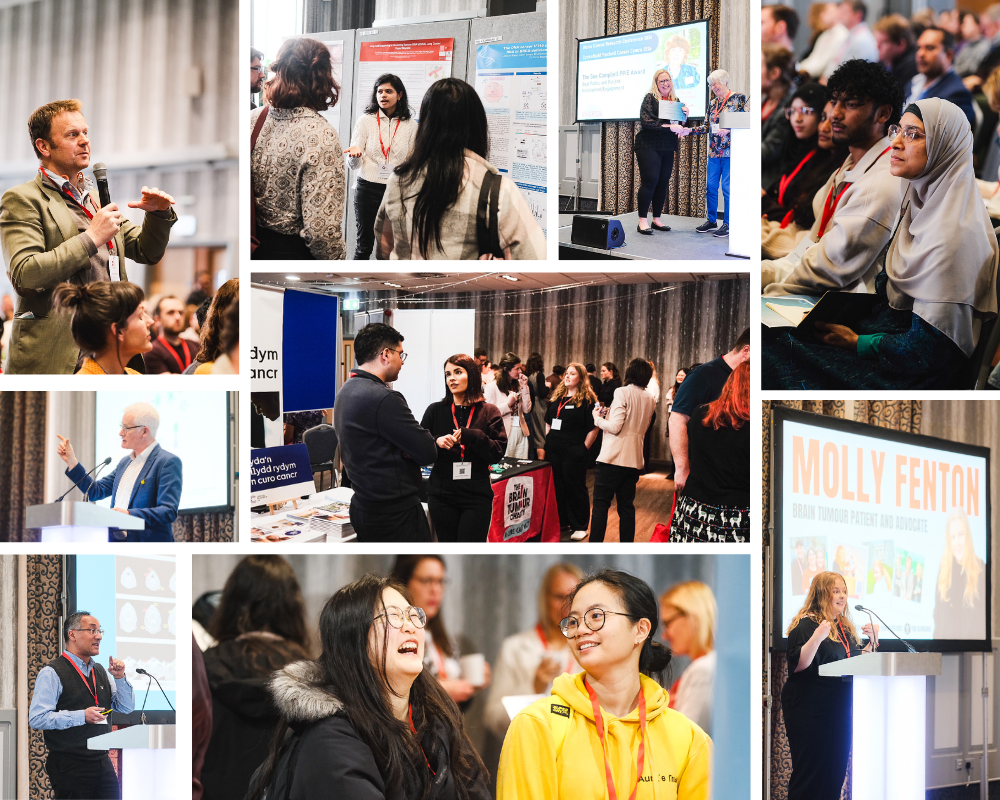
The Wales Cancer Research Centre was proud to host the 2026 Wales Cancer Research Conference, held at The Vale Resort on 23 March, bringing together researchers, clinicians, partners and patient advocates from across Wales and beyond for a day of insight, collaboration and shared ambition to improve cancer outcomes.
The conference was opened by WCRC Director, Professor Mererid Evans, who reflected on the growing momentum across the cancer research community in Wales and highlighted progress captured in the latest report on CReST – Wales’ national cancer research strategy. Her welcome set the tone for a programme that balanced scientific insight with practical discussion and powerful personal perspectives.
The keynote sessions provided a strong foundation for the day:
- Professor Rajesh Jena (University of Cambridge) explored how artificial intelligence is beginning to transform radiotherapy, enabling more precise and personalised treatment planning for patients.
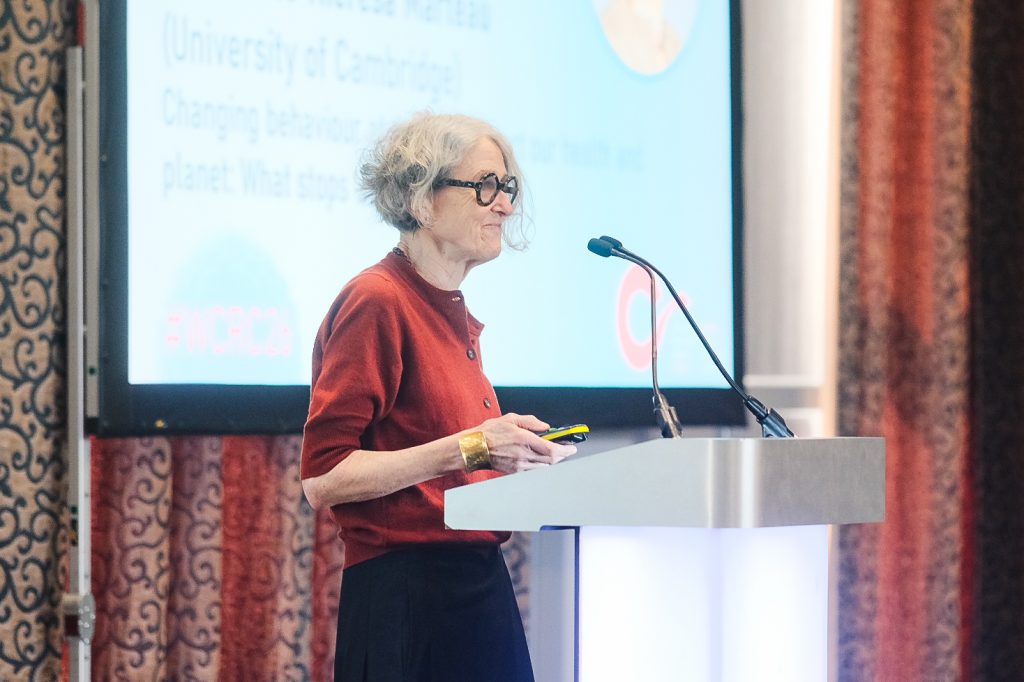
- Professor Dame Theresa Marteau (University of Cambridge) examined the challenges of achieving behaviour change at scale, and what this means for improving public health and cancer prevention.
- Professor Kevin Harrington (ICR / The Royal Marsden) shared insights into the growing potential of combining radiotherapy and immunotherapy, an approach showing promise for treating solid cancers.
- Dr Alastair Lamb (Barts Cancer Institute) closed the keynote programme with a forward-looking session on digital spatial profiling and how it is deepening understanding of prostate cancer biology.
These keynotes were complemented by research updates from teams across Wales, alongside sessions from Dr Ricky Frazer and Dr Mark Willis, who highlighted advances in clinical trials and new approaches to managing immunotherapy-related side effects. Further contributions from Professor William Gray and Dr Ben Newland showcased innovation in neurotherapies and novel drug delivery systems, including developments relevant to brain cancers.
A highlight of the day was the platinum sponsor spotlight session presented by the Moondance Cancer Initiative Clinical Director Prof. Jared Torkington, where CADARN was presented as a bold, system-level approach to unlocking the full potential of cancer research across Wales. Moondance Managing Director Wendy Evans said :
“We were delighted to be the platinum sponsor of this year’s Wales Cancer Research Conference. CADARN represents a step-change in how we work together across Wales – aligning expertise, focusing our efforts, and ensuring that research is not only excellent, but truly impactful for patients.”
CADARN operates through targeted, tumour site-focused rounds designed to bring people together to agree priorities, activate delivery and generate new ideas. The first round, focused on colorectal cancer, has already progressed from a national meeting in November 2025 into delivery, with a study activated across Wales and multiple research concepts advancing into development. The next round will focus on breast cancer, with a national meeting planned for September 2026.
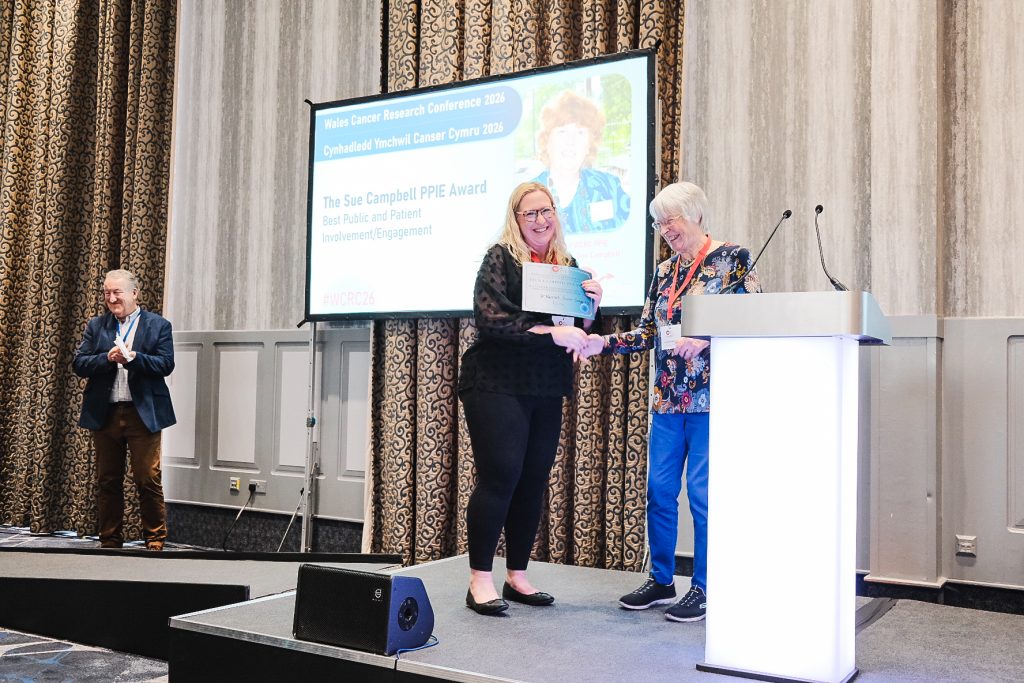
The conference also celebrated emerging talent through its poster presentations and lightning talks, recognising outstanding research from across the Welsh cancer community. Poster and presentation prizes were awarded for scientific excellence, innovation and potential impact on patient care:
- Scientific Excellence Award — Dr Sarah Lauder, Cardiff University: Optimising anti-PI3Kδ and anti-LAG-3 immunotherapy dosing regimens for triple negative breast cancer improves outcome by removing treatment-related adverse events
- Clinical Research Award (in memory of Dr Laura Bunting) — Dr Sahar Iqbal, Velindre Cancer Service: Hippocampal dosimetry and implication for treatment planning in patients undergoing stereotactic radiosurgery for limited brain metastases
- The Sue Campbell PPIE Award (Best Patient and Public Involvement) — Dr Harriet Quinn-Scoggins, PRIME Centre Wales: Awareness, discussions around and use of prostate specific antigen (PSA) testing among men living in the United Kingdom (UK): a national online survey
- Best Lightning Talk — Dr Ella Reed, Cardiff University: Unveiling the heterogeneity of pancreatic cancer initiation
The event also provided opportunities for storytelling and wider engagement. We were pleased to host four students from Cardiff University’s School of Journalism, Media and Communications (JOMEC), who conducted interviews with early and mid-career researchers. These short-form videos will be made available for participants to share across their professional profiles, helping to showcase their research to wider audiences and strengthen public engagement with cancer research in Wales.
Supporting the next generation of researchers was a key focus of the conference. The Early and Mid-Career Researcher (EMCR) ‘Meet the Expert’ session created a valuable space for emerging researchers to connect directly with established experts. Attendees were able to discuss their work, gain tailored advice and explore key topics such as working with industry, embedding patient and public involvement (PPI) in research, and developing competitive funding applications. The session fostered open dialogue, mentorship and practical guidance to support career development within the cancer research community. Dr Rosie Mundy, an EMCR at Cardiff University funded by WCRC said:
“It’s very rare as an ECR to get to question experts like we did in the round table session! I found it really useful, and the experts were very engaged in helping to answer all our questions. The small group format allowed for really personalised answers, and I’ve already been able to act on the advice I was given during the session. I feel very lucky to have got a spot in this session, it was one of the best parts of the day!”
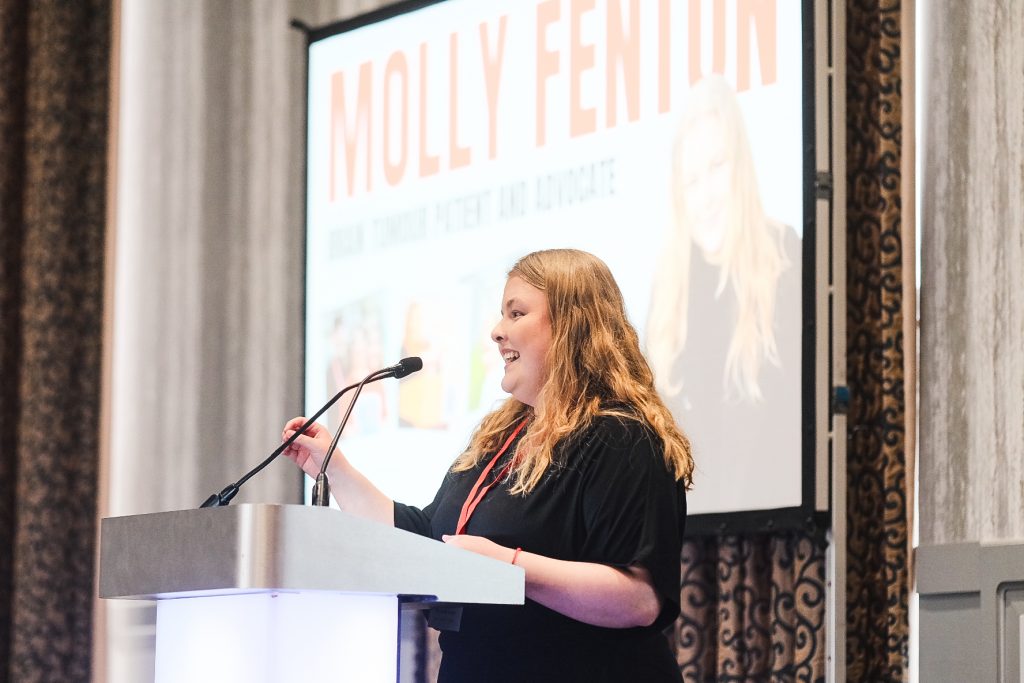
Patient voice also remained central throughout the conference. Molly Fenton delivered a particularly powerful contribution which ended with a standing ovation from the audience, sharing:
“It was incredible to have the opportunity to be at the WCRC conference and listen to a varied line up of speakers and potential advancements, and to be able to speak as a patient. My speech mentioned the communication gap between the professionals and the patients. Between scary statistics and many cancer cases rising in the younger population, being at that conference provided hope for someone like me, and I could show the human side of this heavily stigmatised conversation in our society. And for it to be for Wales, a nation often forgotten in the conversation or seen as a subsection, made it even more special.”
The conference concluded with a forward-looking debate on whether whole genome sequencing should become standard practice in Wales Chaired by Dr James Calvert, Wales’ Deputy Chief Medical Officer.
Closing the conference, WCRC Director, Professor Mererid Evans reflected:
“This conference demonstrates the strength of our cancer research community in Wales. By working together – across disciplines, organisations and with patients at the heart of what we do – we can accelerate progress, deliver meaningful change, and ensure that Wales is not only part of the conversation, but leading it.”
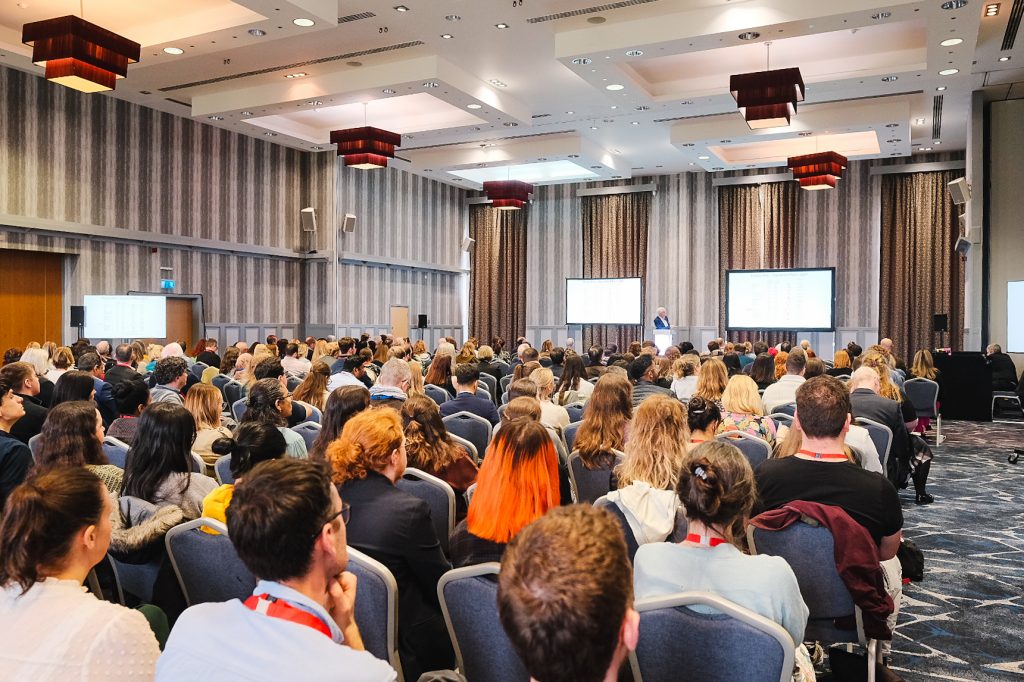
The Wales Cancer Research Conference 2026 highlighted not only the progress being made, but the collective determination to turn research into real-world impact for patients across Wales.
Thanks to our conference sponsors: