
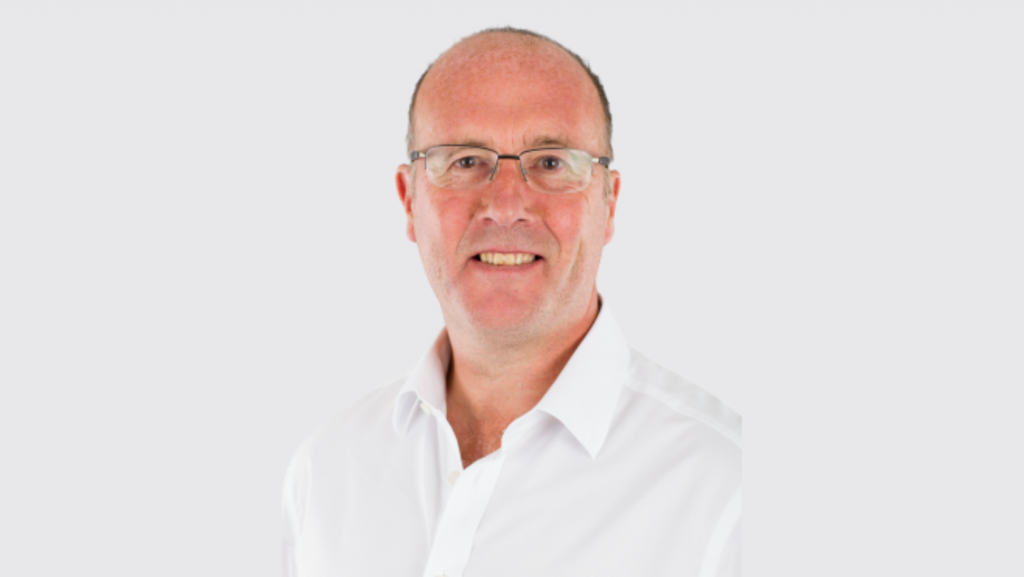
Professor Tom Crosby OBE was one of the most influential figures in Welsh cancer care of his generation. Through his vision, leadership and dedication, he helped transform cancer services in Wales and improve the lives of countless patients and families.
Internationally respected for his research to improve treatment for patients with oesophageal and other upper gastrointestinal (GI) cancers, Professor Crosby was equally committed to improving cancer outcomes through earlier diagnosis, innovation and service improvement. Throughout a distinguished career spanning clinical practice, research and national leadership, he championed the principle that diagnosing cancer earlier could improve survival and patient experience.
As National Cancer Clinical Director for Wales and a senior leader within the Wales Cancer Network, Professor Crosby placed early diagnosis at the heart of cancer policy and service development. His leadership helped shape successive national cancer strategies, strengthen diagnostic pathways and reduce delays between referral, diagnosis and treatment. A key achievement was his role in developing the Single Cancer Pathway, which transformed how cancer services in Wales monitor and improve the patient journey. By focusing on the pathway from the first suspicion of cancer through to diagnosis and treatment, it enabled services to identify delays and accelerate access to care. It remains a cornerstone of efforts to achieve earlier diagnosis in Wales.
Professor Crosby was also a passionate advocate for research and evidence-based improvement. Through his involvement in initiatives including the International Cancer Benchmarking Partnership, he helped bring international learning to Wales and championed the use of evidence to drive improvements in cancer care. He also supported work ranging from public awareness campaigns and lung health checks to screening programmes and faster diagnostic pathways.
Tom leaves a lasting legacy in cancer research and care across Wales, the UK and internationally. He was an engaged and passionate supporter of the ICBP for close to ten years before he joined the Programme Board six years ago. He truly lived our mission, ensuring that our findings, and lessons learned from other jurisdictions, really drove policy and practice change in Wales. Tom will be very much missed by the ICBP team here at CRUK, and I know the same is true for many colleagues across the partnership and beyond.”
Samantha Harrison, Head of Strategic Evidence and International Cancer Benchmarking Partnership Lead
Through his remarkable research career, Professor Crosby made a significant and lasting contribution to improving the outcomes of patients with oesophageal and other upper GI cancers. He was Chief Investigator of the UK multi-centre SCOPE group of trials (SCOPE1, NeoSCOPE and SCOPE2) which set new standards of care for oesophageal cancer radiotherapy planning and delivery, that have influenced practice across the UK and further afield. His final trial, SCOPE2, remains the largest trial in the world to date investigating definitive radiotherapy in oesophageal cancer; sadly, he will not see the final results of the trial, but its legacy – and the legacy of all the research he led and inspired – will continue to improve patient outcomes long into the future.
He was the driving force behind the UK and Ireland Oesophago-gastric Cancer Group (UKIOG), a multiprofessional organisation through which clinicians, researchers and patient representatives work collaboratively to improve the care, treatment and outcomes of patients with oesophago-gastric cancer. His remarkable contribution to the upper GI community in the UK will live on through the work of the next generation of researchers and cancer clinicians he supported, mentored and inspired, both in Wales and across the UK.
“I had the privilege of working alongside Tom for 17 years, first as a trainee (where he inspired my choice to specialise in oesophago-gastric cancers), then as a consultant colleague in South Wales. He has continued to influence my clinical and academic career ever since. He taught me so much about being an exemplary clinician and researcher, developing research questions grounded in the clinic. There is so much I am thankful to him for, but a recent highlight is his role in the development of the recently funded GastroSCOPE trial. I remember so clearly pitching the very earliest idea to him and his positive response. His unwavering support and wisdom over the intervening years shaped and strengthened the trial design. Sadly his role as mentor to the chief investigators will never be realised, but through a generation of researchers he nurtured, his legacy will.”
Dr Sarah Gwynne, Consultant Clinical Oncologist in upper GI cancers at Swansea Bay University Health Board
Those who worked with Tom remember not only his intellect and leadership, but also his generosity, warmth and unwavering support for colleagues. He inspired clinicians, researchers and policymakers, promoting collaboration and encouraging others to pursue ambitious improvements in cancer care across Wales.
“Tom lived life to the full and enriched everything he touched—from fundraising, his passion for rugby and endurance cycling to cancer care, research and policy. He was a tireless clinical leader with a rare vision for whole-system change for cancer care in Wales. He was the inspiration and glue that brought the patient voice, NHS, government, charities, and academia together for evidence-based cancer care reform. Tom never accepted the status quo. He challenged us at WCISU to up our game, championing the need for better data and insights and to prioritise our international benchmarking and health service research like ICBP. Tom always supported us and our research. He always encouraged my team and was humble and kind to them. He had the courage to speak truth to power, which meant that he advocated our research findings where it mattered. His evidence-based influence on policy and action had a real and lasting impact on cancer outcomes in Wales. His loss leaves an irreplaceable void, but his legacy and vision will endure.”
Professor Dyfed Wyn Huws, Director, Wales Cancer Intelligence and Surveillance Unit (WCISU)
“Tom was an inspirational research-active oncologist , hugely respected in Wales, the UK and internationally for his work. His stand-out achievements are in the practice-defining SCOPE group of trials, but his influence was so much greater. I was involved in the early stages of SCOPE1 radiotherapy protocol, which was refined from his years of work studying outcomes of local patients; our work led to the formation of the Cardiff arm of the Radiotherapy Trials Assurance Group (RTTQA), underpinning multiple trials across many different tumour sites. He supported radiotherapy research at a UK level through active involvement in the UK’s Clinical and Translational Radiotherapy Research Working Group (CTRad), giving his wisdom to less experienced trialists treating other cancer types. He understood the value of translational research linked to his ground-breaking trials and ensured every opportunity to learn was maximised. He was superb at bringing people into his team, based on the value they would add, not their title, and giving everyone an equal platform. However, he was fundamentally a doctor aiming to improve the outcomes for his patients, so I’m delighted that he was able to witness his contribution during his foreshortened life.”
Professor John Staffurth, Professor in Oncology at Cardiff University and Consultant Clinical Oncologist in Velindre University NHS Trust
Professor Crosby’s legacy lives on in the systems, pathways and programmes that continue to support earlier cancer diagnosis and cancer care in Wales, and beyond. It is reflected in the patients whose cancers are detected sooner, giving them greater opportunities for successful treatment and improved outcomes, as well as the patients whose cancers are cured because of the advances enabled by his research. His contribution to cancer care in Wales was profound, and his commitment to earlier diagnosis and improved cancer care will continue to benefit patients and future generations. He will be greatly missed by the cancer research and cancer care communities in Wales, and the UK.